admin
admin
The relationship between athletes and their fans has always been at the heart of sports culture. Traditionally, this connection was established through live games, autograph sessions, and reading about athletes in newspapers or magazines. However, as technology continues to evolve, Sports Broadcast (스포츠중계) has become a key force in strengthening this connection, making the gap between athletes and fans smaller than it has ever been.
With the rise of high-quality broadcasts and digital streaming platforms, fans no longer need to be physically present in stadiums to feel close to the action. They can now experience the excitement, drama, and emotion of games from anywhere in the world. This has fundamentally changed the way people interact with sports and has provided immense value to both fans and athletes alike.
The Evolution of Sports Broadcasting
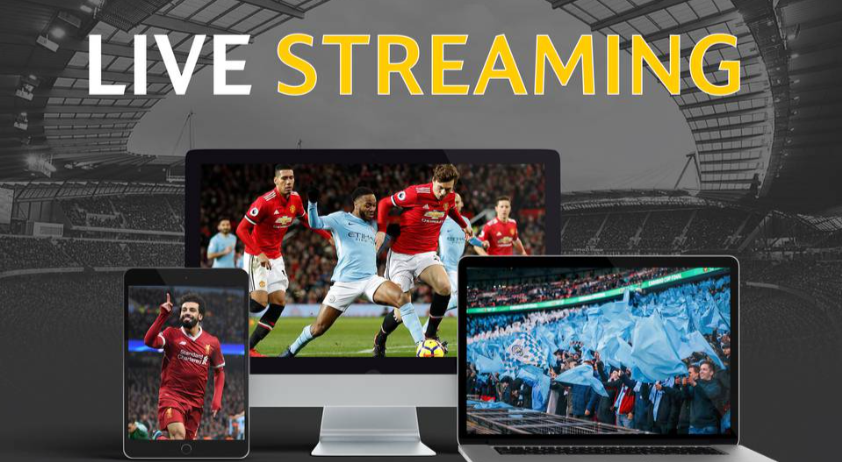
Sports broadcasting has come a long way from its humble beginnings. Decades ago, fans relied on radio coverage to follow games, imagining the plays based on vivid commentary. Television revolutionized this experience by bringing live visuals into people’s homes. Today, streaming technology allows fans to enjoy a game on their phones, tablets, or laptops from virtually anywhere.
The availability of widespread broadcasting has broken down geographical barriers. Global audiences can now cheer on teams from different countries, following their favorite athletes in real-time, regardless of their location. This means fans are no longer restricted to their local sports teams, which opens the door to diverse connections within the global sports community.
How Broadcasting Benefits Fans
Sports broadcasting provides fans with access to an unparalleled level of insight and engagement. High-definition video streams, expert commentary, and innovative features like live statistics and slow-motion replays enrich the viewer’s experience. Broadcasting platforms provide behind-the-scenes content, such as player interviews or locker-room footage, which add an extra layer of intimacy to fans’ relationship with their favorite athletes.
Fans also enjoy the freedom of choice that broadcasting offers. They can watch games on-demand, catch only the highlights, or stream multiple games simultaneously. This personalization of content empowers fans to engage with sports on their own terms, enhancing their passion and loyalty.
Social media integration also plays a significant role. During live events, platforms allow fans to participate in real-time discussions with other viewers, making them feel part of a larger community. This shared experience builds a sense of camaraderie among fans, deepening their connection to the sport.
How Athletes Benefit From Sports Broadcasting
For athletes, improved access to broadcasting offers better visibility, allowing them to connect with fans on a global scale. Athletes who may not traditionally receive widespread attention now benefit from niche broadcasts and streaming options that ensure their talent reaches appreciative audiences.
Broadcasts also provide athletes with branding opportunities. Through interviews, promotional content, and social media follow-ups, they can share their stories, values, and personality with their fans. This humanizes their image and creates an emotional bond with their audience, enhancing loyalty and admiration.
Additionally, athletes often gain valuable feedback and motivation from fans through interactive broadcasts. Messages of support during games or constructive discussions post-game keep athletes motivated and engaged with their audience.